
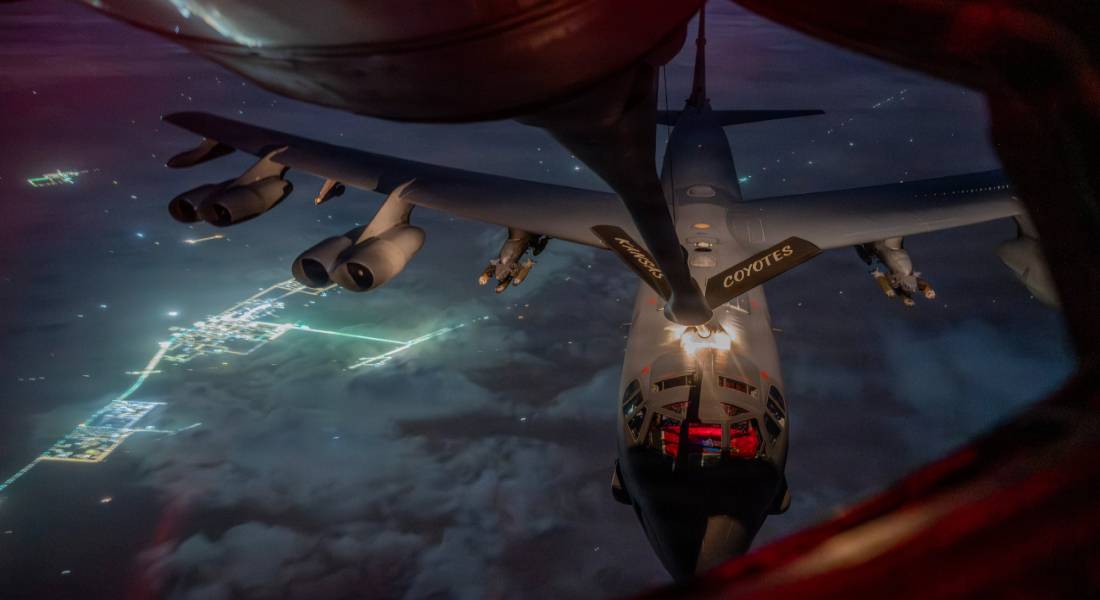
The United States Air Force is currently facing one of its most persistent and critical manpower challenges in modern military history. For decades, the military branch has struggled to maintain an adequate number of experienced aviators in its ranks, a problem that directly impacts global combat readiness and national security.
|
http://buycoffee.to/przekazwiedzy You’ll motivate me to work harder and create better content. Thank you! |
In its latest and most aggressive attempt to stem the steady outflow of talent, the Air Force has introduced an unprecedented financial incentive. Military officials recently announced an updated Aviation Bonus program, offering eligible pilots and aviation specialists up to six hundred thousand dollars to extend their service commitments. However, as defense experts and military leaders alike are beginning to admit, simply throwing money at a deep-rooted structural crisis might no longer be enough. The mechanics of the new retention program reflect a profound sense of urgency within the Pentagon. Active-duty pilots, operators of remotely piloted aircraft, combat systems officers, and air battle managers are now eligible to sign contract extensions ranging from three to twelve years. In return, they can receive up to fifty thousand dollars annually. If an aviator commits to the maximum twelve-year period, the total compensation reaches the historic six hundred thousand dollar mark. The program is carefully targeted to address the most severe vulnerabilities in the force structure. The Air Force has placed a special emphasis on retaining personnel in the most demanding and highly specialized sectors, specifically the fighter, bomber, and reconnaissance communities. The inclusion of pilots flying the U-2 spy plane, a legendary high-altitude reconnaissance aircraft requiring exceptional skill, highlights the critical nature of these specific shortages. The loss of veteran aviators in these fields leaves a void of combat experience that takes well over a decade to replace.
This current shortage is not a sudden development. The origins of the deficit can be traced back to the post-Cold War personnel reductions of the nineteen nineties. Since then, the gap between the number of pilots the Air Force needs and the number it actually has on active duty has fluctuated but never entirely closed. Previous financial incentives, while substantial, have failed to produce a permanent fix. For instance, in the year two thousand and twenty-two, the Air Force offered retention bonuses reaching up to four hundred and twenty thousand dollars. While these offers temporarily slowed the departure of some senior captains and majors, they did not reverse the overall negative trend. The core issue lies heavily on the production side of the equation as well. The United States military has consistently struggled to meet its operational training goal of producing one thousand and five hundred new pilots every single year. A lack of available instructor pilots, aging training aircraft fleets, and limited maintenance resources have created a bottleneck that prevents the Air Force from simply training its way out of the deficit. A major external factor exacerbating the military crisis is the aggressive recruitment strategy of commercial airlines. The civilian aviation industry in the United States is dealing with its own severe pilot shortage, driven by a wave of mandatory retirements among older captains and a massive surge in global travel demand. Commercial airlines can offer competitive salaries that quickly surpass military pay, even when the new retention bonuses are factored in. Moreover, civilian flying jobs offer a lifestyle stability that the military cannot match. Airline pilots do not face combat deployments, frequent forced relocations of their families, or the grueling physical demands of flying high-performance combat aircraft in hostile environments.
American military commanders are increasingly transparent about the limitations of their financial incentives. General Ken Wilsbach, the Air Force Chief of Staff, recently noted that while bonuses are a crucial tool to retain expertise, they are only part of a much larger puzzle. The harsh reality is that many pilots choose to leave the service not because they want more money, but because they are frustrated with the daily conditions of their service. Aviators frequently cite a heavy burden of administrative duties that keep them away from the cockpit, unpredictable deployment schedules, and a lack of sufficient flying hours as primary reasons for their departure. When highly trained pilots spend more time managing paperwork than flying their aircraft, morale drops significantly. To achieve a sustainable solution, the Department of the Air Force is realizing that a holistic approach is absolutely necessary. This means undertaking comprehensive reforms that go beyond the military payroll system. Leaders are looking into ways to improve the overall quality of life for service members and their families. Proposed initiatives include providing more predictable career progression, reducing non-flying administrative tasks by hiring civilian contractors, and modernizing training squadrons to ensure new pilots can move through the educational pipeline efficiently. There is also a growing push to offer more flexible career paths, allowing aviators to focus exclusively on flying rather than forcing them into staff and management roles simply to achieve their next promotion.
Ultimately, the six hundred thousand dollar bonus is a necessary emergency measure designed to stop the bleeding in the short term. The Air Force needs its most experienced warfighters to stay in uniform today to meet the immediate demands of a complex global security environment. Yet, securing the future of American air superiority will require fixing the underlying institutional flaws that drive talented aviators away in the first place. Until the military can promise its pilots not just a competitive salary, but a fulfilling and well-balanced career focused on their primary passion for aviation, the pilot shortage will remain an unresolved crisis at the heart of the United States armed forces.
SOURCES:
https://airandspaceforces.com/air-force-aviation-bonus-fy-26-600k/
https://news.clearancejobs.com/2026/04/13/up-to-600k-inside-the-air-forces-aggressive-push-to-keep-its-pilots/
https://militarytimes.com/news/your-military/2026/04/09/the-air-force-is-putting-big-money-behind-its-effort-to-keep-aviators-in-the-service/
https://simpleflying.com/salaries-usaf-pilots-2026-why-bonuses-cant-keep-them/
https://everycrsreport.com/reports/IN10776.epub
 Polski (PL)
  English (United Kingdom)